Pros and cons of popular battery cell formats
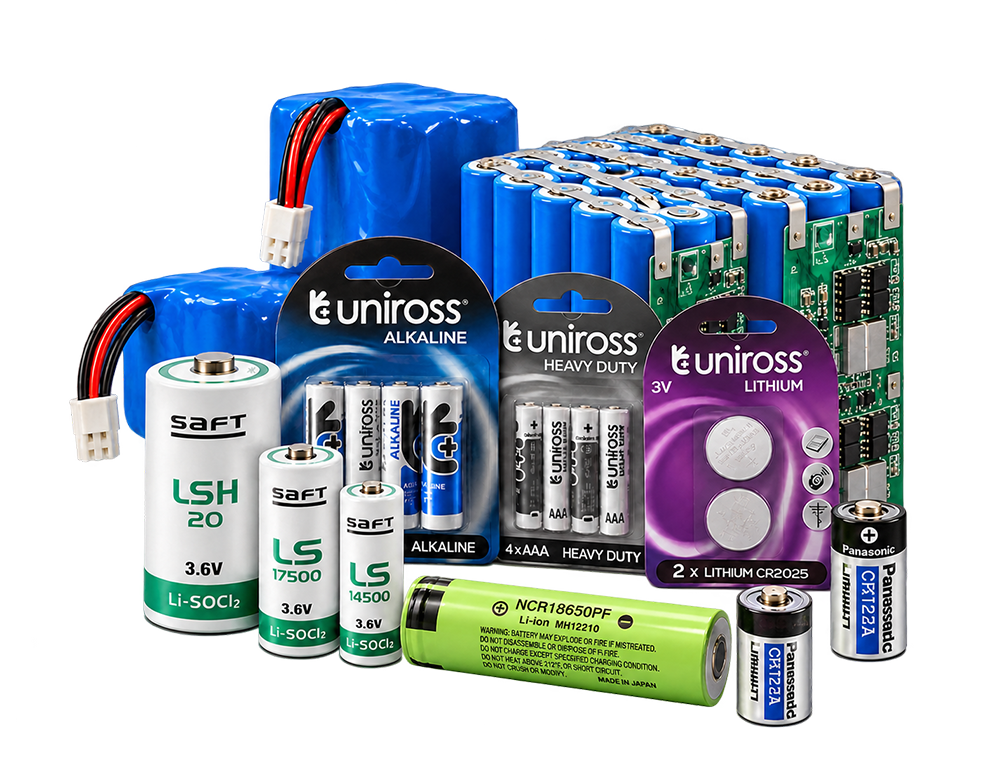
Battery cells moved from jar designs to cylindrical formats as mass production began. The F cell appeared in 1896, followed by the D, C and, in 1907, the AA.
This article compares the most common cell formats used today. Cylindrical cells are easy to manufacture and mechanically stable, while button, prismatic and pouch cells each bring their own trade-offs in size, cost and packaging.
Takeaway
- The right format depends on space, weight, cost and the operating environment.
Originally published in Dataweek. Read the full article on Dataweek →
Charging methods to prolong lithium-ion battery life
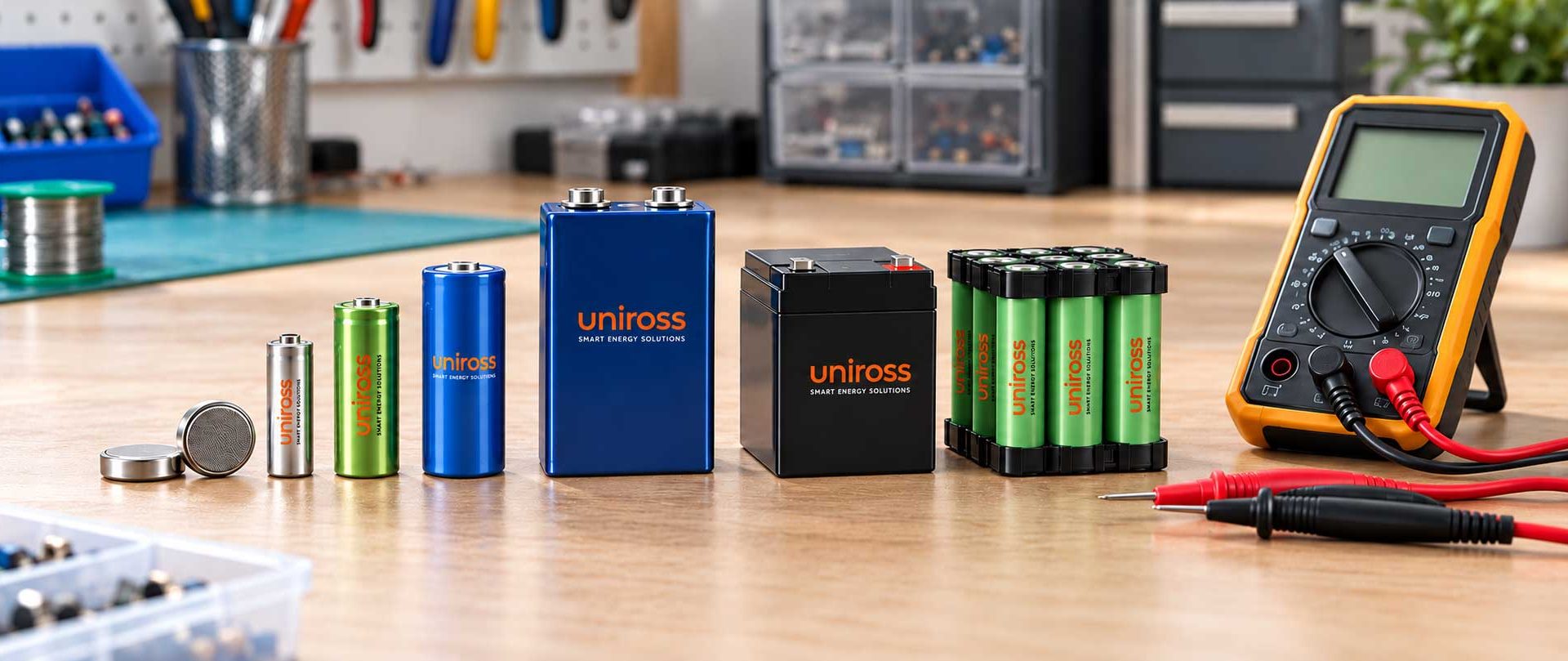
Lithium-ion batteries still wear out over time. Trapped ions, internal corrosion and other parasitic reactions on the electrodes and electrolyte all reduce capacity over the battery’s life.
This Dataweek article explains how a Li-ion charger works. Like a lead-acid charger it limits voltage, but it works to tighter tolerances. The article also looks at how charging practices affect long-term capacity.
Takeaways
- Li-ion charging needs accurate voltage limits.
- Charge habits directly influence cycle life.
- Choosing the right charge regime is part of good system design.
Originally published in Dataweek. Read the full article on Dataweek →
Keep the battery in mind
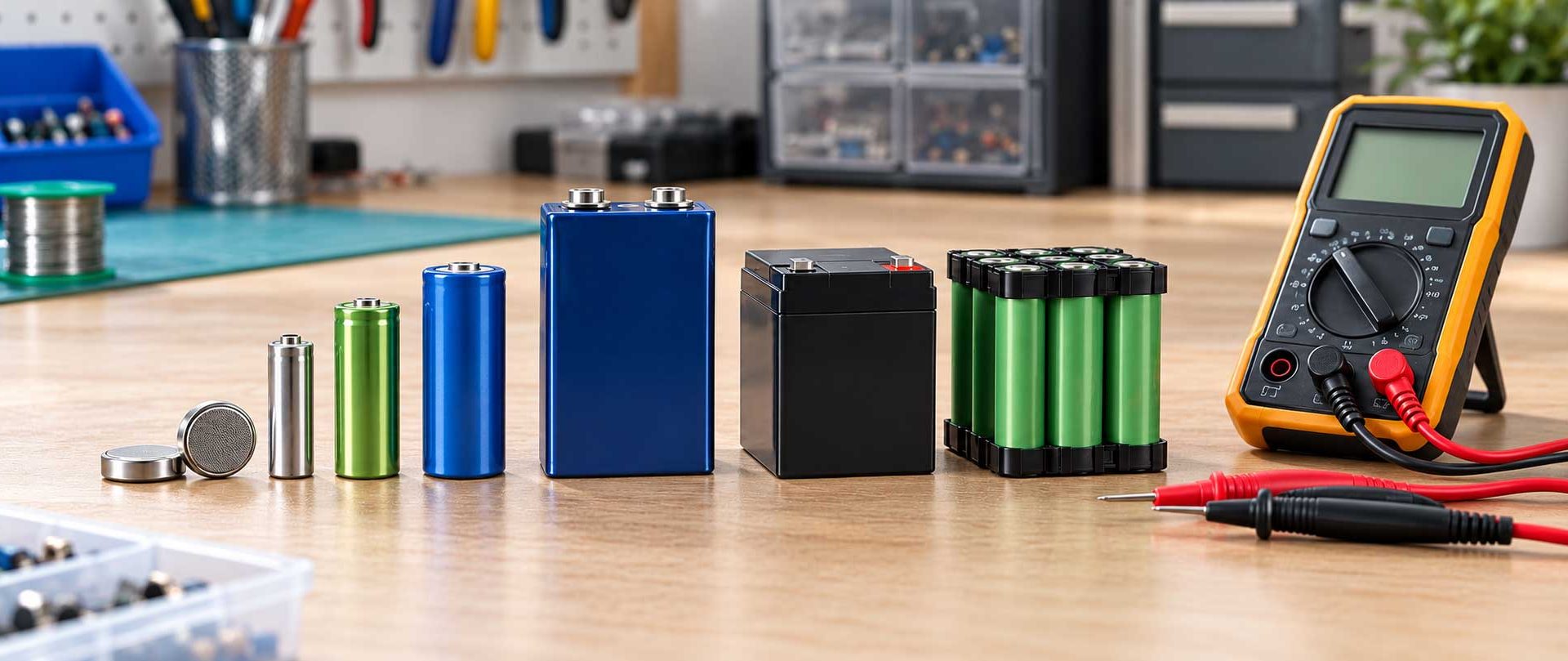
The battery is often the last thing considered when a new electronic device is designed, which can lead to performance problems, safety risks and expensive redesigns. In this Dataweek article, Uniross shares a checklist for engineers to work through from the start.
Key points
- Speak to a battery specialist before you start, rather than relying on internet information.
- Design around commonly available sizes and chemistries for better cost and availability.
- Allow for dimensional tolerances so you can change suppliers later.
- Consider operating temperatures and keep batteries away from heat sources.
- Let batteries vent and expand, use quality (ideally pure nickel) contacts, and add a low-voltage cut-off.
- Check expected service life under real conditions, and confirm transport regulations early, especially for lithium.
Originally published in Dataweek. Read the full article on Dataweek →